
By Ariel Neidermeier
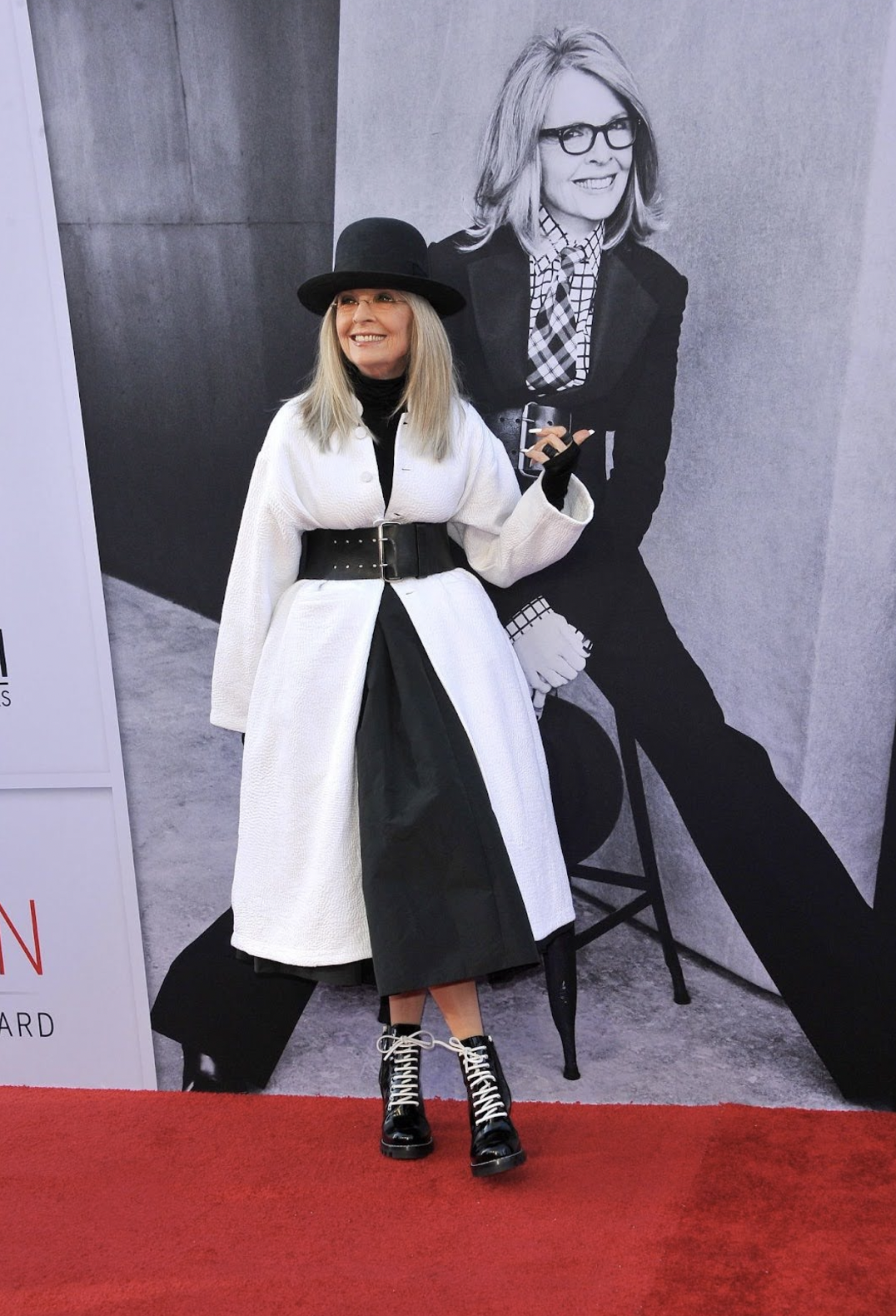
Diane Keaton at the AFI Life Achievement Award Gala Tribute To Diane Keaton held at the Dolby Theatre in Hollywood, USA on June 8, 2017. Hyperstar/Alamy.
Diane Keaton, who passed away in October at the age of 79, never looked like she was trying to be the prettiest woman in the room. She looked like she was trying to be Diane Keaton, which was a much harder job. In Hollywood, a town that has always rewarded symmetry and obedience, she gave us big pants, bigger hats, and a way of moving through the world that felt delightfully “wrong.”
As she wrote in the opening pages of her 2014 book, Let’s Just Say It Wasn’t Pretty, “When someone says about a woman, ‘I’m sorry, that’s just wrong,’ I tend to think she must be doing something right.” If you want a thesis for Keaton’s approach to life and style, that might be it.
Keaton’s fame crystallized in the 1970s, when women’s fashion swung from prairie dresses and bell bottoms to mod silhouettes and disco styles. Even in a decade defined by freedom, Keaton’s loose, menswear-inspired look in her breakout film Annie Hall felt startlingly original. She walked into the frame wearing a floppy hat, a vest over a shirt, and a tie hanging a little off center — and a star was born.
But her signature look was never one thing. While her menswear ensembles in Annie Hall made her a style icon, she also wore skirts that swung around her calves. She loved monk-like turtlenecks and architectural hats en masse, as if every outing required its own private weather system perched on her head.
Make no mistake, this was not armor that hid her. Her clothes made onlookers look harder. And what they saw was a woman who let herself appear too emotional, too nervous, too giddy, too undone. The stammers, the ums, the half sentences that critics once called “quirky” were simply a woman refusing to sand down her imperfect edges for the camera.
That instinct carried into the choices she made off camera. Keaton had a passion for buying old places—Spanish colonials, farmhouses, romantic piles of wood and stone—and restoring them. Her keen eye for architecture and photography turned into a prolific second career flipping houses and honing the “Diane Keaton effect,” where homes rose in value after her unique touch.
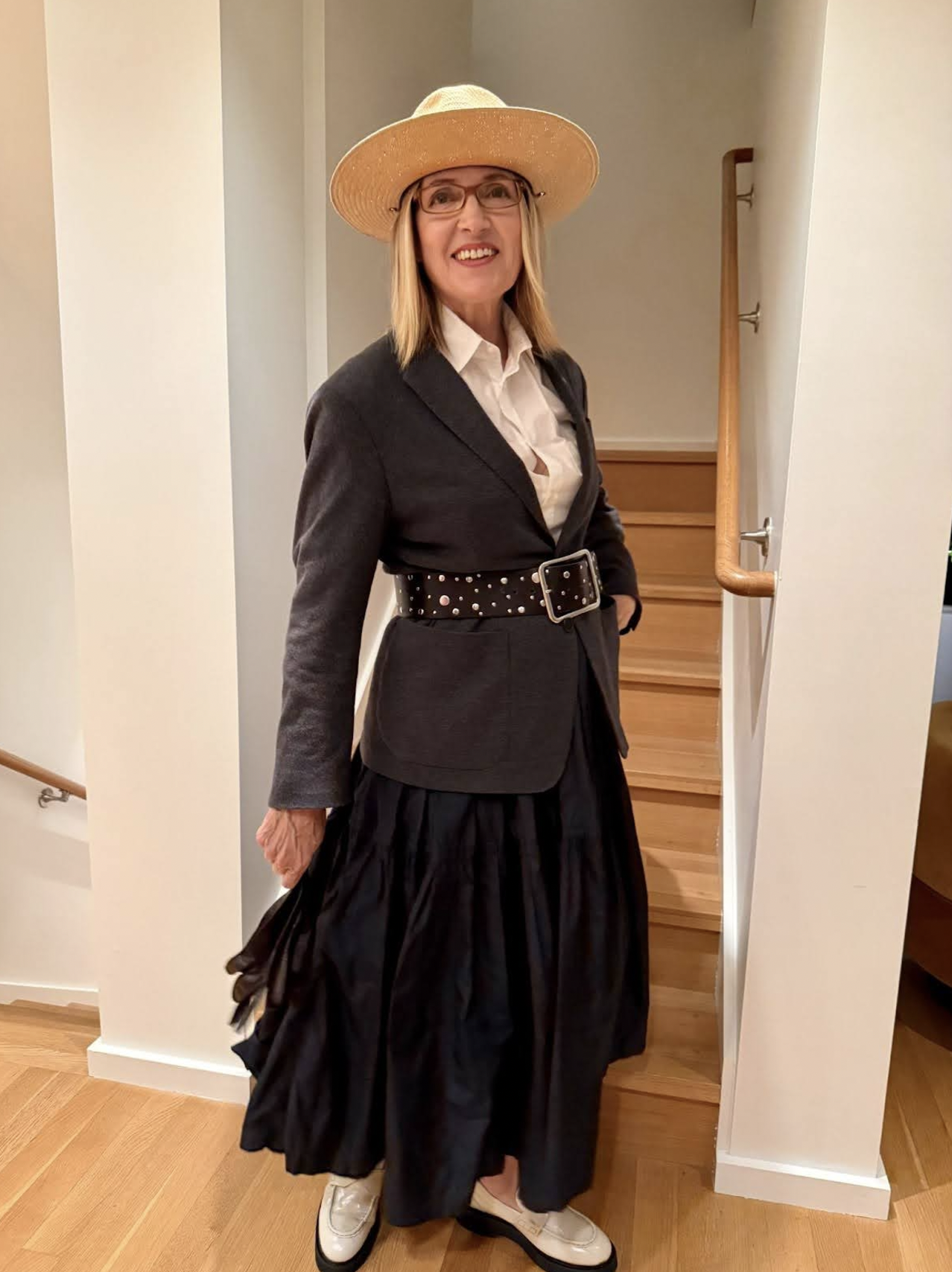
Kim’s Halloween costume homage to Diane Keaton, styled by Sue Yerou of Style Rehab.
She also fell in love, hard, with larger-than-life men and difficult artists. She was candid about how her Godfather Trilogy co-star, Al Pacino, was the great heartbreak of her life—the one she tried to marry and could not. Afterwards, she chose to stay single, adopt and raise children on her own, and to write a different story for her life.
There are women who want the dress, the ring, and the neat ending. Keaton was honest about envying that sometimes. She was also honest about her own hunger for the impossible, for the thing she could never quite have. Instead of bending herself into the correct shape for partnership, she built a world around work, friendship, family, and curiosity. That, too, is a kind of revolution.
What has made Diane Keaton’s life and career so enduring was not her polish, but her permission. She gave awkward, overthinking, big hat-loving women a blueprint: You can be eccentric and magnetic, covered up and intensely desired. You can be “too much” in every visible way and have that be the whole point.
Every time a woman buttons her collar a little higher, puts on pants that make her feel like herself instead of smaller, or decides that “no, actually, I am fine on my own,” she is taking a step in the direction Diane Keaton spent her life pointing toward. Call it the big pants theory of style. You do not have to fit. You have to live.
Diane Keaton Holiday Movie Marathon:
A Style Lover’s Guide
Annie Hall (1977)
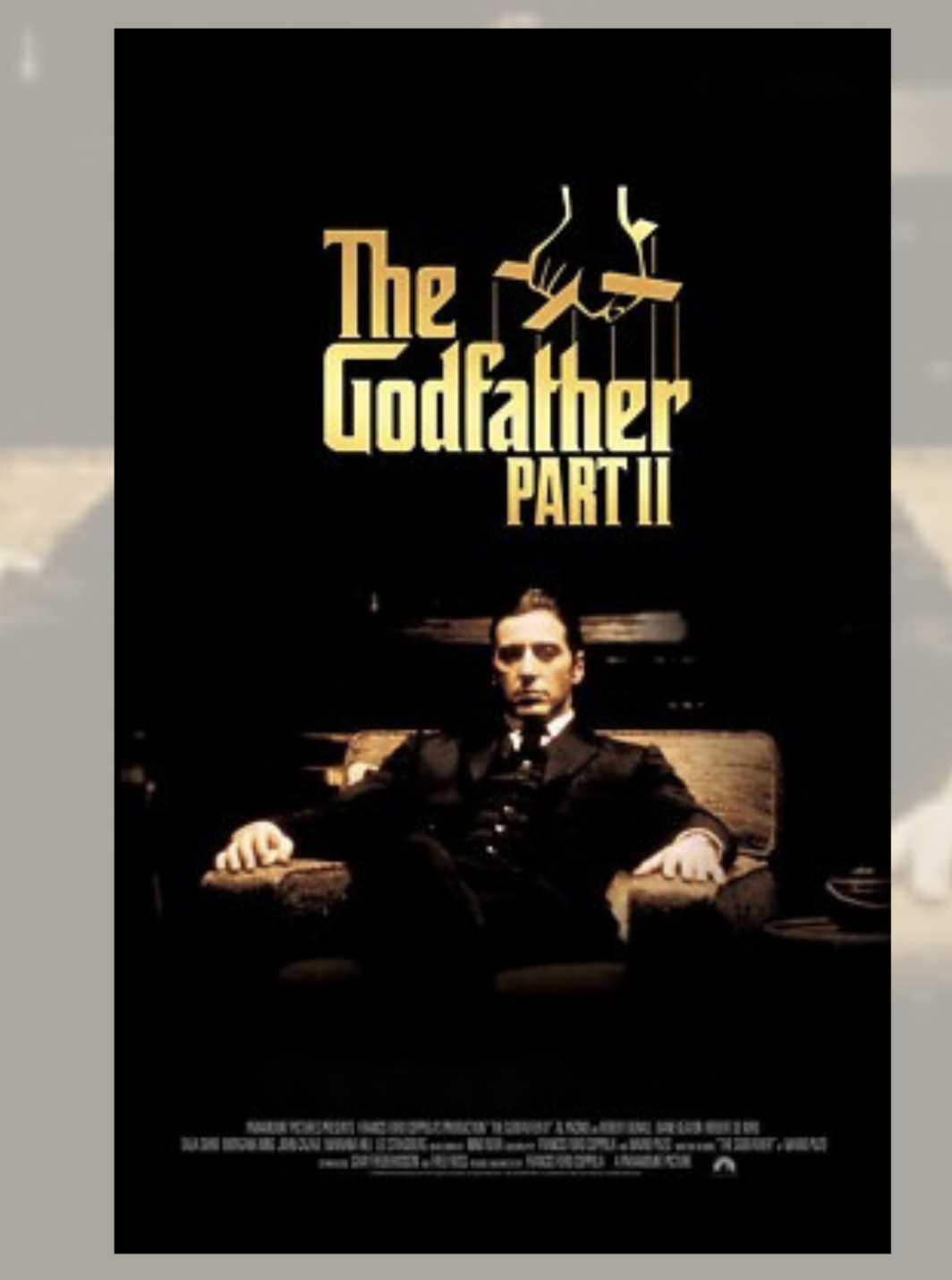
The origin story of the necktie and vest. Watching this is like seeing the Diane Keaton wardrobe universe being born in real time.The Godfather Part II (1974)
Quiet beige, controlled hair, and that final haunted close-up. Style as minimalism, with all the emotion smuggled into her eyes.Reds (1981)
Long coats, skirts that actually move, and a woman in political chaos who still looks like she was dressed by herself, not a costume designer.Baby Boom (1987)
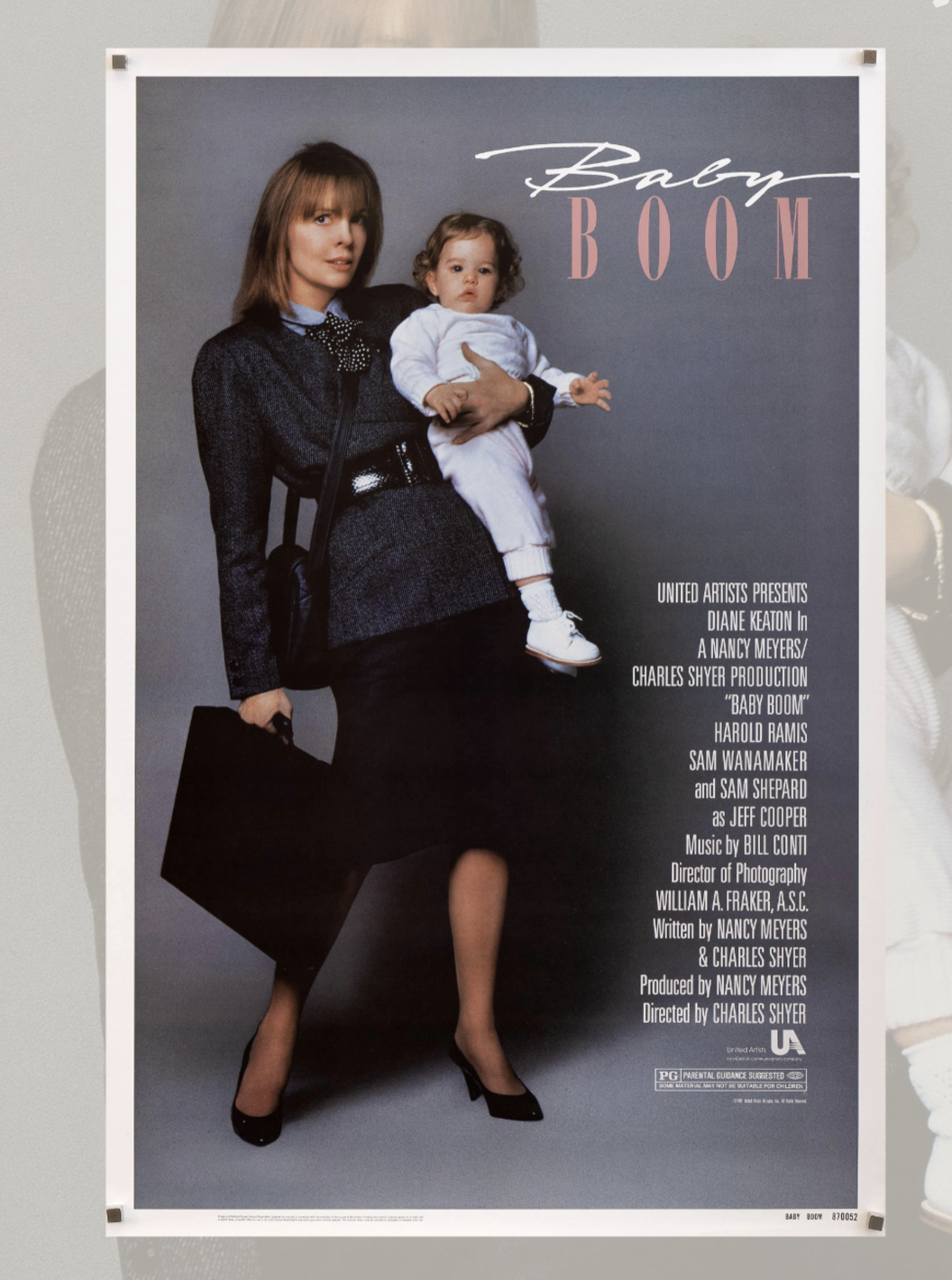
Power suits in Manhattan, cozy knits in Vermont. The style arc is literally “what if I changed my whole life and kept the good clothes.”Father of the Bride (1991)
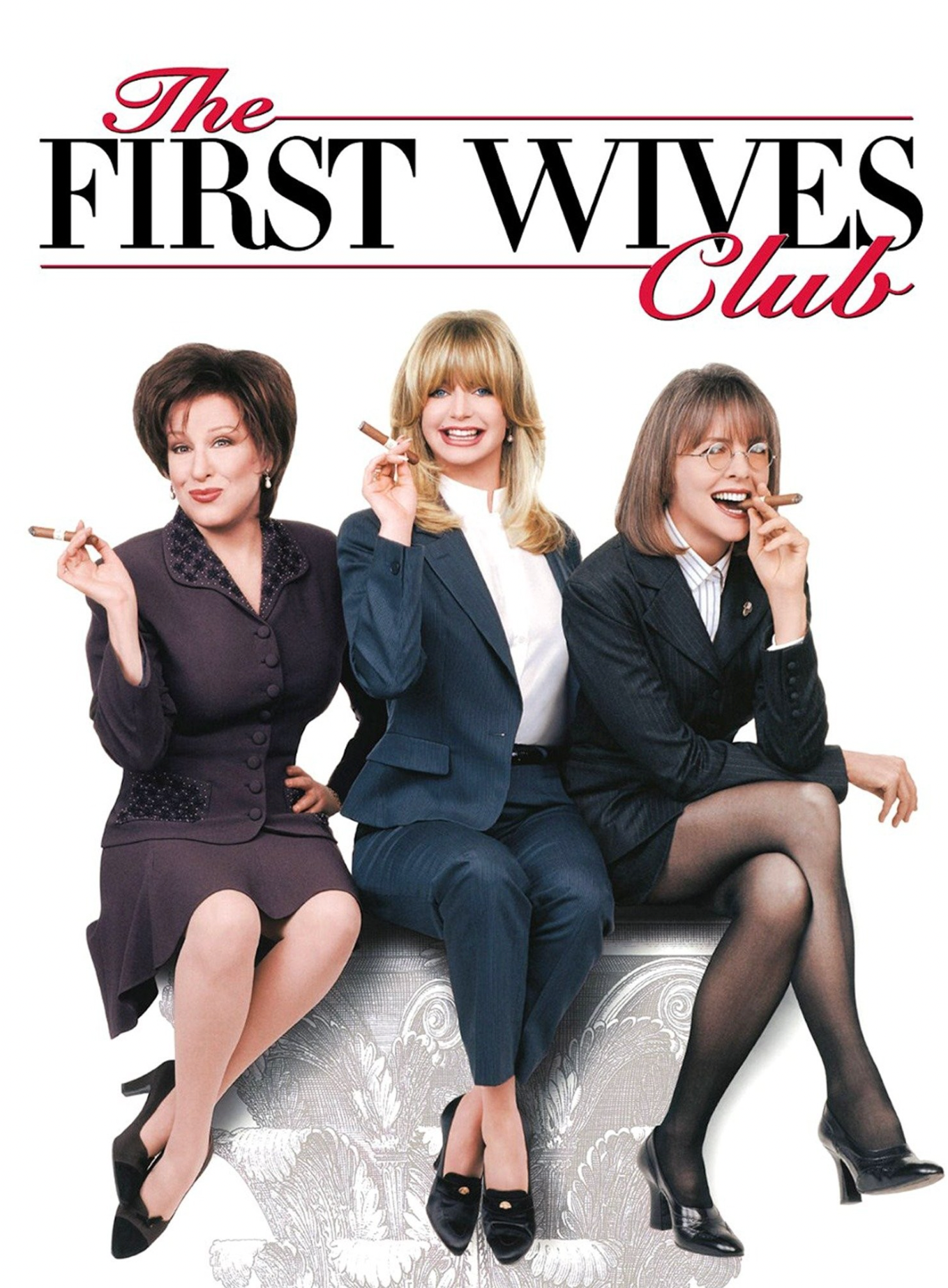
Soft florals, effortless blazers, and peak “mom who has better taste than everyone but is too busy to brag about it.”The First Wives Club (1996)
Matching whites, sharp coats, and revenge that looks fantastic from every angle. Proof that middle age can be the best wardrobe era.Something’s Gotta Give (2003)
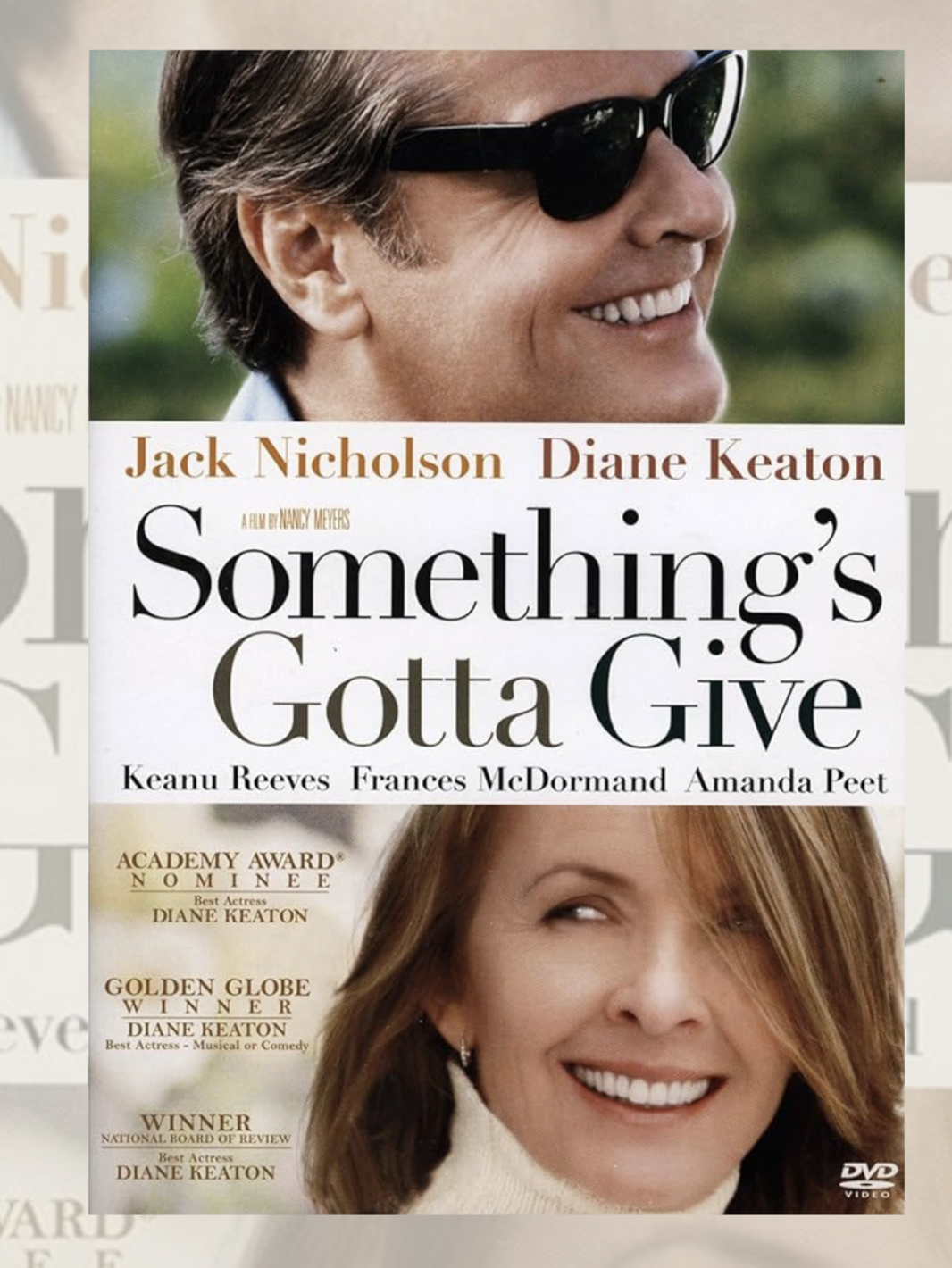
The turtleneck saga. Beachy neutrals, writer-at-work linen, and a reminder that a woman in her fifties can own the frame in every sense.The Family Stone (2005)
Slouchy sweaters, scarves, and a matriarch who dresses like she has a life beyond her children’s drama. Emotional, messy, perfectly Keaton.